It is March 3, 2026.
The artistic landscape has been irrevocably transformed by generative artificial intelligence. Yet, a fascinating paradox is emerging at the heart of major institutions: while AI generates complex images in milliseconds, elite animation studios and prestigious art schools like ECAL or HEAD are drastically reinforcing their requirements for traditional drawing.
The industry has decided: to lead AI or create work imbued with genuine "human intention," the artist must first master the intelligence of the hand. Any complete drawing guide worthy of the name in 2026 does not begin with the purchase of a graphics tablet, but with the physical understanding of the friction of charcoal on grain paper.
To structure a viable and lasting artistic curriculum today, it is imperative to integrate analog tools as a non-negotiable foundation. Traditional drawing is not content with teaching technique; it develops "fine motor skills" and "material reasoning," cognitive skills that no software can simulate. This step is the prerequisite for understanding the physics of light before even considering investing in digital manga materials or advanced workstations.
Key Points: The Essentials to Remember
- Superior Brain Stimulation: A study relayed by the Neurensics Institute and the Mauritshuis Museum confirms that creating physical art stimulates brain activity 10 times more than interacting with digital reproductions.
- Information Retention: Expert Francesca Sciandra (2025) demonstrates that manual drawing improves memorization by nearly 100% compared to writing alone, merging semantic and motor processing.
- Digital Haptic Deficit: Research published in Frontiers in Psychology indicates that current digital styluses reproduce only 40% of the tactile resistance of traditional tools, creating a critical sensory void for learning.
- Authenticity as Market Value: Data from Sotheby's (2025-2026) reveals a 29% increase in sales of physical art, proving that "handmade" is becoming the gold standard of artistic value again.
The Science of "Material Reasoning": Charcoal vs Tablet
The argument for paper goes beyond simple nostalgia; it is strictly neurological. In our screen-saturated environment, the brain processes information differently depending on whether the interaction is physical or virtual. This is what neuroscientists call "material reasoning." A complete drawing guide must integrate this concept to be effective.
The absence of an "Undo" button as a cognitive engine
When the student works with charcoal, every stroke is definitive. This absolute constraint forces the brain to anticipate, plan, and adapt in real-time. It is a much more intense cognitive process than the non-destructive digital workflow. Francesca Sciandra highlights that this lack of backtracking fosters divergent thinking and enhanced problem-solving. For any student engaged in an artistic curriculum, this phase is crucial: it teaches one to "see" and decide before tracing.
The haptic deficit of digital tools
Why insist on charcoal in a modern complete drawing guide? The answer lies in tactile feedback. According to Bitu et al. (Frontiers in Psychology, 2022), even the most expensive technologies fail to replicate more than 40% of the real friction of paper. This lack of "haptic feedback" deprives the beginner of vital sensory information to calibrate hand pressure. That is why a solid artistic curriculum must start with raw material.
Institutions like Apolline Ecole d'Arts maintain this pedagogical rigor. In their Visual Arts Courses, the emphasis is placed on this real physical interaction, ensuring that the intelligence of the hand is acquired before any virtualization.
Developing Fine Motor Skills: The Secret to a Confident Line
The precision of a professional illustrator depends entirely on their fine motor skills. However, data concerning "digital natives" is concerning. A study by the National Institutes of Health (NIH) reveals that children who use tablets infrequently significantly outperform frequent users in motor precision.
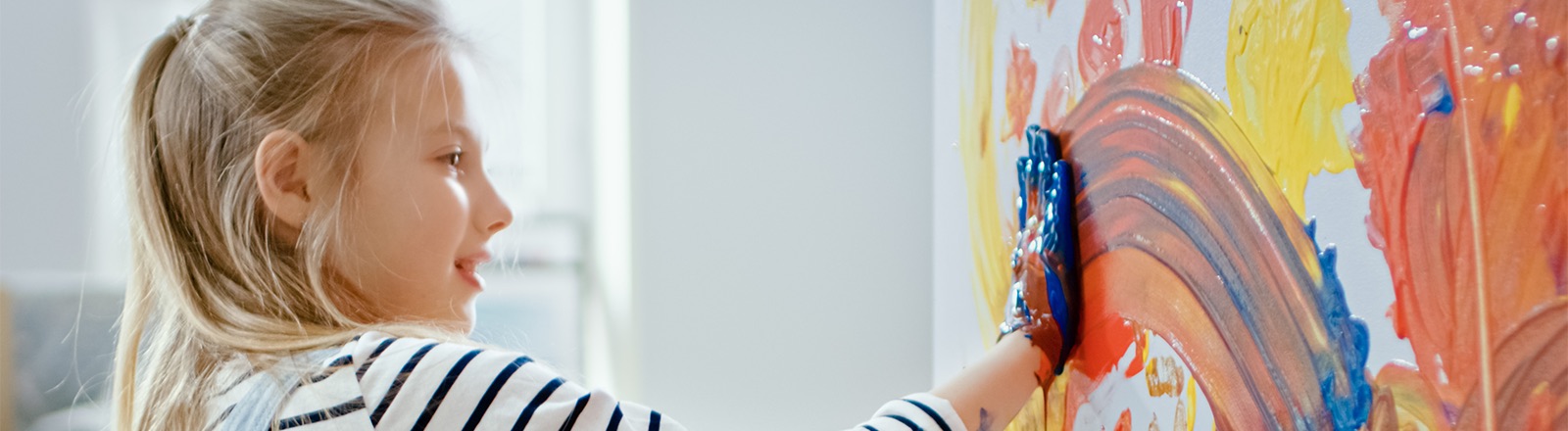
For a parent looking for art classes for kids, it is therefore essential to prioritize workshops that manipulate real material. A drawing course should not only teach perspective, it must literally muscle the hand. It is the physical foundation upon which any design career will rest.
The parallel is striking with a beginner music course. One cannot hope to play a complex piece without having loosened their fingers through repeated physical exercises. Similarly, drawing requires dexterity that only the friction of a pencil on paper can build sustainably. It is an essential component of any complete drawing guide intended to train professionals.
Structuring an Artistic Curriculum for the AI Era
In 2026, the central question is no longer "how to draw," but "how to become irreplaceable." The answer lies in the structuring of the learning path. Industry standards, as defined by CSULB for 2025-2026, show that giants like Disney still require foundations in observational drawing.
The 100-hour benchmark
About 35% of professional illustrators hold a degree valuing these classic skills. A relevant artistic curriculum must therefore integrate a substantial volume of traditional practice, often estimated at a minimum of 100 hours of directed practice. This is the time necessary for the eye and hand to synchronize perfectly.
For families, this implies choosing structures offering deep immersion. Apolline Ecole d'Arts proposes, for example, 90-minute formats, a duration indispensable for reaching the state of "flow" necessary for neuroplasticity, far beyond what simple recreational workshops offer.
From Charcoal to Manga Materials: The Digital Transition
Once the basics of observational drawing are acquired, the student can begin to integrate modern tools. It is often at this stage, around adolescence, that the demand for manga materials becomes predominant. The transition must be accompanied methodically.
When to switch to digital?
The introduction of digital manga materials (tablets, software) should happen when the student masters gray values and volumes. Traditional equipment—G-pen nibs, alcohol markers—serves as the ideal bridge. It introduces the notion of physical "layers" and coloring, preparing the mind for software like Clip Studio Paint. This is a key step in art classes for teens.
The market confirms this return to roots: the 29% increase in sales of physical works (Sotheby's) suggests that knowing how to produce an original page on paper is a major commercial asset. A manga complete drawing guide must therefore include this dual skill: traditional inking and digital finishing.
For those wishing to specialize, the Manga Courses offer this hybrid structure, where technology does not replace the gesture but amplifies it.
Transversal Cognitive Benefits: From Music to Drawing
There is a powerful synergy between artistic disciplines. The skills required for high-level drawing overlap with those developed in a beginner music course: hand dissociation, stroke rhythm, pressure sensitivity.
Learning piano or drums requires motor rigor similar to inking a comic book page. Combining a visual artistic curriculum with instrumental practice creates robust neural connections. The Music Courses reinforce discipline and global sensitivity, assets that reflect directly on the quality of the line in a drawing course.
In short, whether one starts with a beginner music course or with charcoal, the goal remains the same: to develop sensory intelligence that AI cannot imitate.
FAQ: Frequently Asked Questions about Art Education in Switzerland
Is it useful to learn traditional drawing before digital in 2026?
Yes, it is indispensable. Studies show that traditional drawing offers superior haptic feedback (60% more than digital). It is crucial for developing the fine motor skills necessary to master complex styluses later in the artistic curriculum.
What are the cognitive advantages of charcoal drawing for a teenager?
Charcoal imposes "subtractive reasoning" (creating light by removing material) and mastery of nuances. This improves spatial visualization and reduces cortisol. It is an essential component of any complete drawing guide for emotional management.
At what age should one start a serious artistic curriculum in Switzerland?
Experts recommend starting structured visual arts as early as 6 years old to maximize neuroplasticity. Art classes for kids lay the foundations, allowing a transition to manga materials or portfolio preparation around age 12-16.
Does traditional drawing help to better use Generative AI?
Absolutely. In 2026, the industry values "human intention." Solid foundations in composition and anatomy, acquired via a rigorous artistic curriculum, allow one to guide AI with precision and correct its errors.
What material to start manga without going full digital?
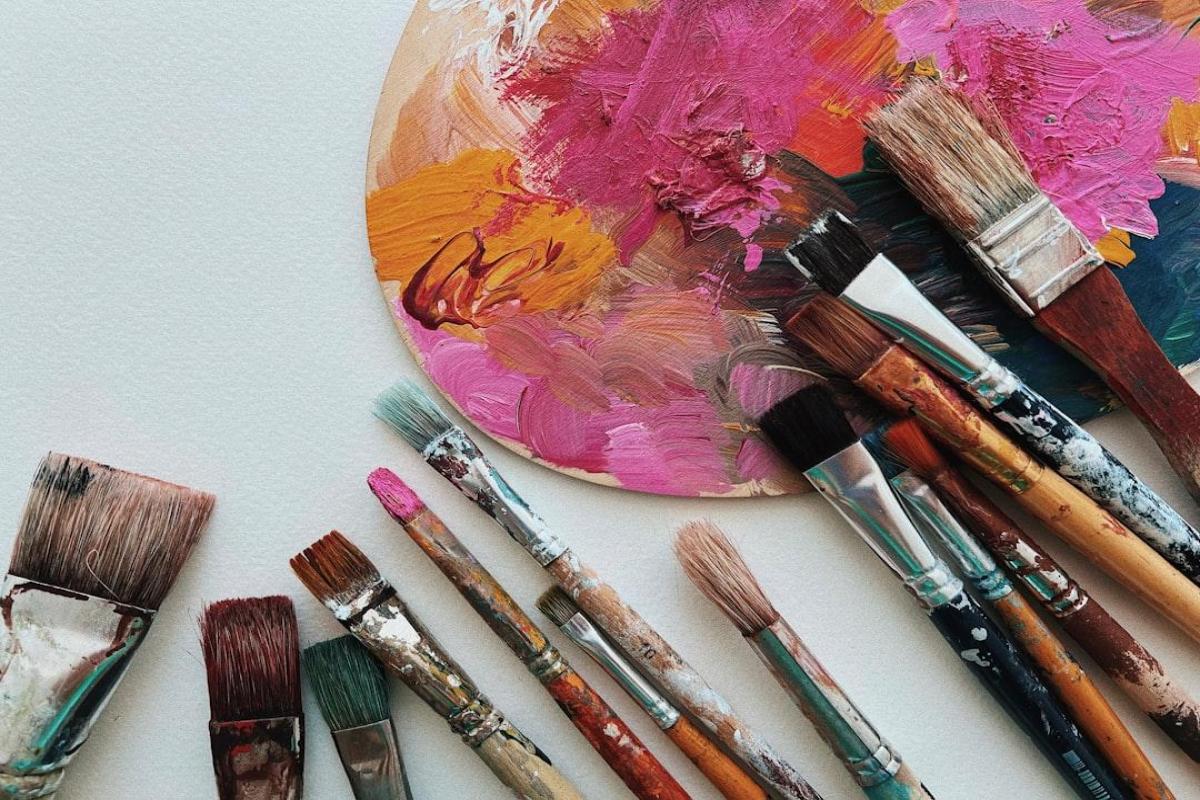
To start, a manga complete drawing guide recommends strong Bristol paper, precision liners, and alcohol markers. This builds "intelligence of the hand" before migrating to digital. This is the preferred approach in the best art classes for teens.
Sources
- Real Art Stimulates the Brain 10x More Than Reproductions
- The Enduring Relevance of Drawing in the Digital Age
- Fine Motor Skills and Tablet Usage in Children (NIH)
- Haptic Feedback and Digital Drawing Tools Study
- CSULB Animation Curriculum Standards 2025-2026
- Traditional Art Collecting Trends 2025 (Sotheby's Data)