In this month of December 2025, while the digital world saturates our daily lives, **arts** **education** appears more than ever as an essential refuge **for** the soul of every **child**. It is not simply about filling free time, but about building a solid emotional and intellectual structure **for** the future. **Art**, in all its forms, offers **children** a unique key **to** decipher the complex **world** surrounding them.
In this month of December 2025, while the digital world saturates our daily lives, **arts** **education** appears more than ever as an essential refuge **for** the soul of every **child**. It is not simply about filling free time, but about building a solid emotional and intellectual structure **for** the future. **Art**, in all its forms, offers **children** a unique key **to** decipher the complex **world** surrounding them.
A truly benevolent **education** integrates the **artistic** dimension as a fundamental pillar, not as a secondary option. **For** a **child**, expressing themselves through the **arts** is as vital as breathing; it is an open window into their own interiority. The **teaching** of creative disciplines allows for the cultivation of indispensable **cultural** sensitivity, transforming learning into an exciting adventure.
Within the **school** or at home, every moment devoted to **art** strengthens the identity of **children**. It is the opportunity **for** them to leave a mark, to sign a unique **work** that says "I am here". This global **artistic** approach to **education** is the most beautiful gift we can offer **for** their development.
The Place of Culture and Arts: A Policy of Wonder
The **place** we grant to creativity defines the educational **policy** of our society. In our **country**, **cultural** **policy** must be concretely embodied in the daily lives of the youngest. It is our duty as parents and educators to define a family **policy** that values the **teaching** of beauty and imagination.
Unfortunately, the rigid **framework** of certain **schools** does not always allow this blossoming. That is why **policies** regarding access to **culture** must be supported by private and passionate initiatives. A true **policy** of childhood places **art** at the center of **programs**, considering that awakening to **culture** is as serious as mathematics.
**Artistic** **teaching** requires a committed **political** vision, where every **school** becomes a place of **cultural** life. By defining a clear **policy** in favor of the **arts**, we offer **students** an environment conducive to discovery. It is a **political** choice in the noble sense: that of prioritizing the human and emotion within the educational **framework**.
- Adopting a **policy** of active listening regarding the creations of **children**.
- Supporting local **policies** favoring access to **art** **schools**.
- Inscribing **cultural** practice at the heart of the family project.
Skills and Results: When Art Nourishes Academics
Far from being a distraction, **artistic** practice develops fundamental **skills** that are directly reflected in **school** levels. The rigorous **study** of an instrument or the composition of a painting demands discipline that boosts academic **results**. The **impact** of **art** on the brain is profound: it structures thought and refines reasoning capabilities.
Recent **research** confirms the beneficial **effects** of creative **education** on logical and linguistic **skills**. A **child** who invests in **artistic** **study** learns the value of effort and patience, key **skills** **for** improving their **results** at **school**. The **quality** of this **learning** lies in the pleasure of doing, which often unlocks mechanisms of general understanding.
Each completed **work** is a victory over oneself, reinforcing emotional **skills** like confidence and self-esteem. This **artistic** success inevitably reflects on the **school** sphere, where the **child** feels more capable and bolder. The **study** of the **arts** is therefore not parallel to school, it is its engine.
Music and Visual Arts: Activities for Growing in Harmony
Among the most structuring **activities**, **music** and **visual** **arts** play a major role in **childhood**. **Music**, through its rhythm and melody, teaches the **young** to listen to the **world** with attention. **Music** **classes** do not only form musicians, but sharp and attentive minds.
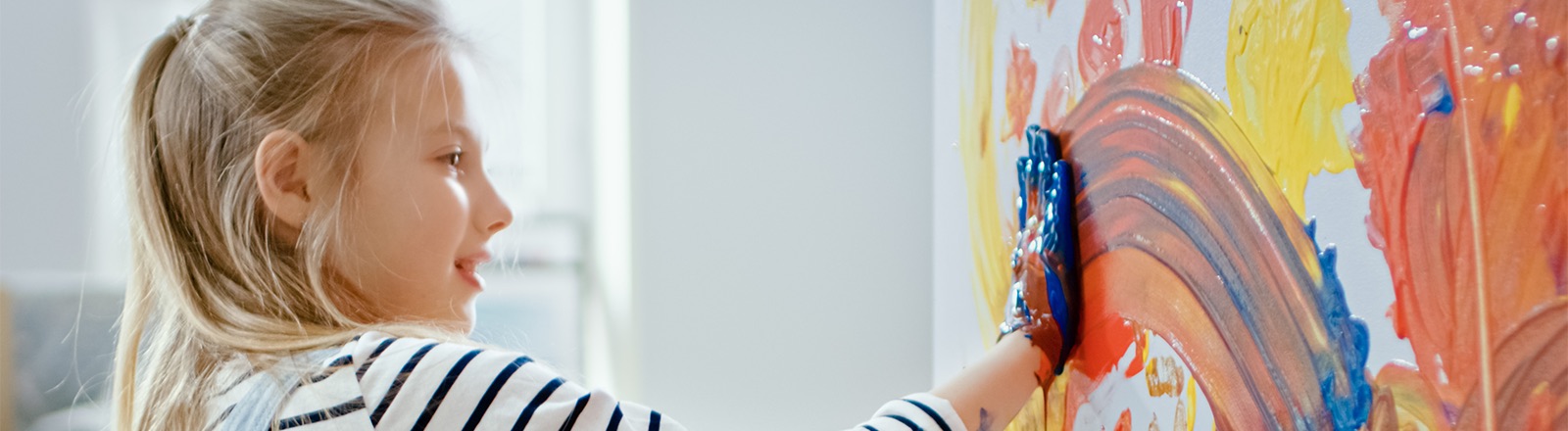
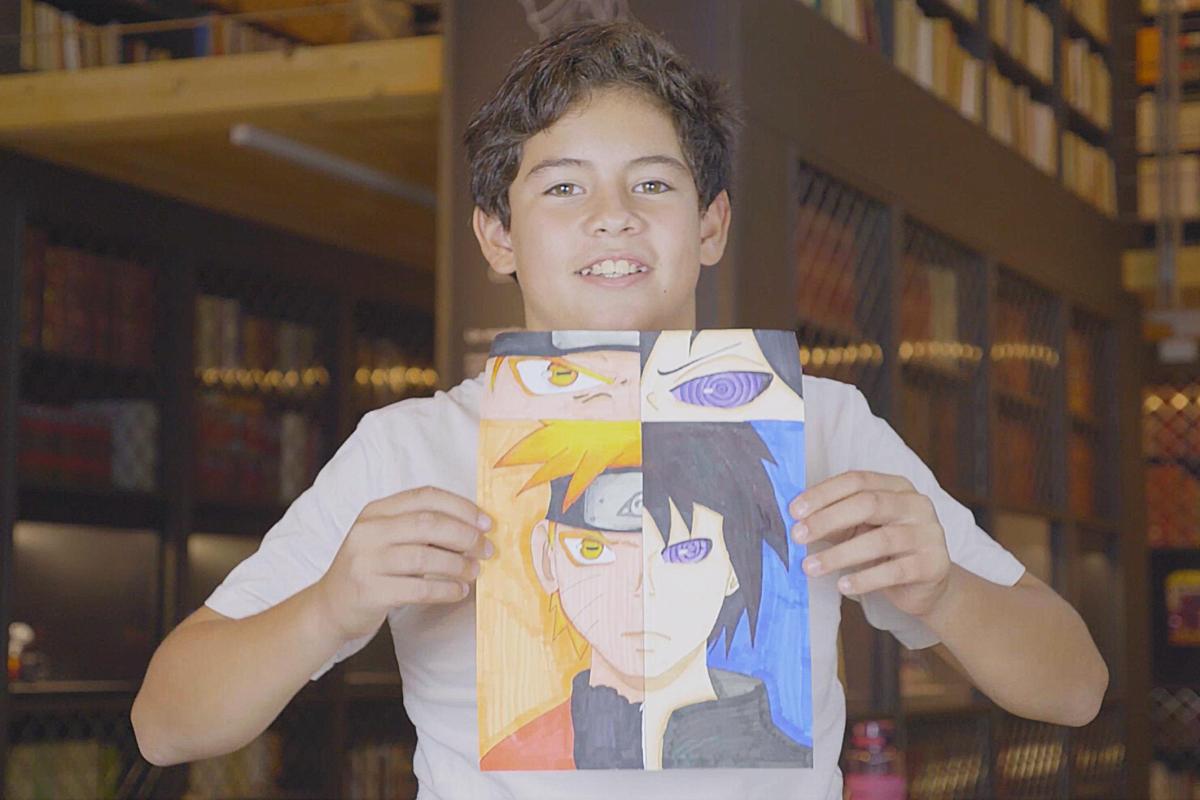
In parallel, **visual** **arts** offer a space of unheard freedom. Creating **works** with one's hands, manipulating matter, is anchoring one's presence in the **world**. The regular **practice** of drawing or painting allows budding **artists** to channel their emotions. In our drawing **classes**, we see every day how the creation of a **work** soothes and focuses **children**.
These **artistic** **practices** are essential **activities** **for** psychic balance. They allow a **shaping** of the feelings that traverse **childhood**. Whether through **music** or **visual** arts, the important thing is the regularity of **practice** and the joy of discovery. The **works** produced then become precious witnesses of their inner evolution.
The Role of Parents and Benevolent Evaluation
The gaze of **parents** on **artistic** activity is decisive. Your **listening** and your support are worth much more than any grade. **Evaluation** in this domain should not be a judgment, but a celebration of the **experience** lived. **For** **children**, presenting their work is an act of vulnerability that requires great benevolence.
It is essential to value effort and the process rather than the final result. A good **evaluation** takes into account the pleasure and personal progression of the **young**. As **parents**, your role is to encourage this **cultural** exploration without performance pressure. **Listening** to their doubts and their pride strengthens the family bond around these **school** and extracurricular moments.
The **implementation** of a sharing ritual around **artistic** creations favors a climate of trust. **Children** need to feel that their **parents** understand the importance of this **cultural** investment. It is this shared **experience** that transforms a simple activity into a lasting life lesson.
Preparing for the Future: Serious Study Towards Maturity
**Arts** **education** received from a very young age constitutes the foundation of a future **training** of excellence. In Switzerland, the **study** of the arts can lead to exciting careers, but the road requires preparation and commitment. The **artistic** **skills** acquired today prepare **children** for the challenges of tomorrow.
A serious **art** **school** accompanies this **development** by proposing adapted **school** **programs** that aim for excellence. The preparation of a portfolio of personal **works** is often the first step of higher **study** in major schools. This demanding **training** forges character and develops a rare **artistic** maturity.
It is here that a **policy** of personalized accompaniment takes on its full meaning. Helping a young person to transform their passion into a **study** project is a noble mission. The **arts** are not just a hobby, they are a discipline of life that prepares for future professional realities, in Switzerland as elsewhere.
Ultimately, choosing **arts** **education** means choosing a **policy** of the human **for** the **child**. It is giving them the weapons **to** succeed in their **school** life while nourishing their heart.
To accompany this journey, Apolline School of Arts proposes a student-centered pedagogy through its music and visual arts courses.