A New Era for Child Education: The Context of 2026
In this month of February 2026, we are observing a radical transformation of the world of education. Faced with the technological boom and artificial intelligence, we, parents and educators, ask ourselves the same essential question: how best to prepare our child? The answer no longer lies solely in the accumulation of technical knowledge, but in the development of unique human skills. This is where arts education plays a key role, not as a simple hobby, but as a fundamental pillar for the emotional and cognitive balance of children.
Art offers a refuge and an indispensable ground for exploration. Contrary to received ideas that minimized the importance of artistic disciplines, every recent study confirms that creativity is a vital resource. The teaching of culture and the regular practice of an artistic activity allow for structuring thought. For the child, it is the opportunity to navigate with confidence in a complex environment, cultivating a cultural sensitivity that will make them an enlightened citizen.
We will explore together the concrete impact of these practices on the school and personal journey. We will see how the school and educational policy adapt to offer a benevolent framework. From the creation of a first artwork to mastering an instrument, each step of this learning participates in the construction of our young people's identity.
Beyond Art: Developing Skills for Life
Art is much more than an aesthetic quest; it is training for life. When we integrate the arts into the daily lives of children, we transmit to them the taste for effort, patience, and analytical capacity. A serious study in neuroscience shows that a student engaged in an artistic curriculum develops superior mental agility, beneficial for all of their school results.
Critical Thinking and Problem Solving
Imagine your child in front of a blank page or a musical score. They must make choices, make decisions. This intellectual gymnastics is the heart of artistic teaching. They learn to observe their artwork, to correct their mistakes, and to persevere to reach their goal. These skills are precious: a mind capable of structuring an artistic creation will know how to structure an argument or solve a mathematical problem. It is a true study of logic through sensitivity.
Emotional and Social Intelligence
Education is not limited to books; it encompasses the heart. Managing emotions is a skill for the future. Artistic disciplines offer a safe space for the child to express their joys and fears. Whether through theater or music, the collective experience nourishes empathy. Understanding the other, listening to their emotions, is preparing to interact serenely in the professional world.
Visual and Plastic Arts: Critical Thinking in Action
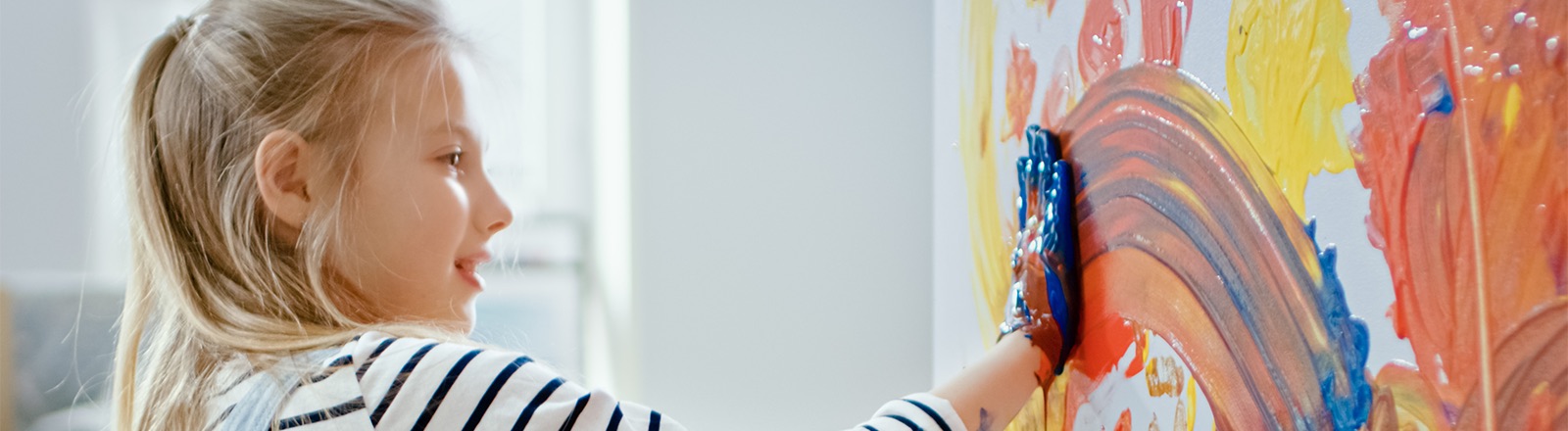
Plastic arts occupy a central place in sensory awakening. Creating an artwork requires fine coordination and an capacity to materialize a thought. In visual arts courses, we value the process as much as the final result. The child understands that every gesture has a meaning and that mistakes are a necessary step in any creative and personal research.
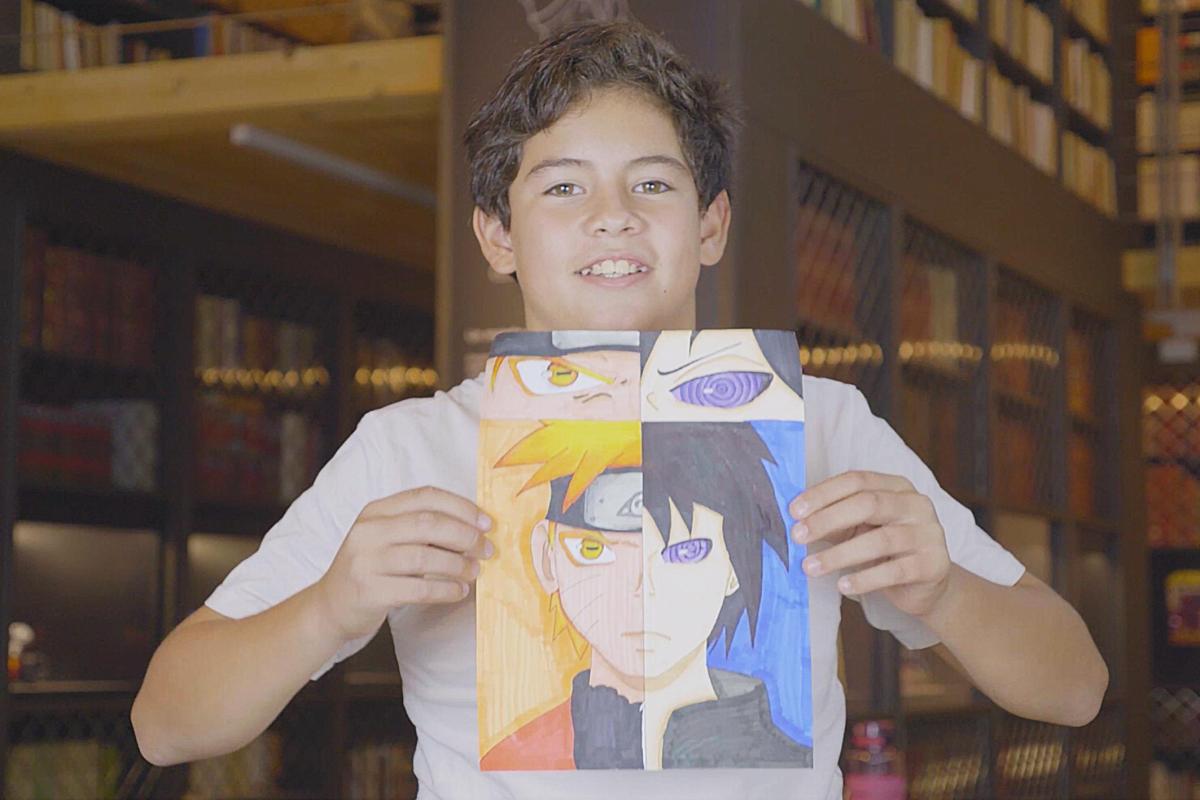
The teaching of drawing or painting, and particularly the current craze for manga courses, stimulates the imagination. The crafting of a story or the construction of a complex image solicits brain areas linked to planning. The visual skills thus acquired are essential in our image-based society. It is a practice that demands rigor and passion.
The pride of presenting their artworks strengthens self-esteem. It is not only about technique, but affirmation. Young artists learn to accept the gaze of the other, developing a rich visual culture. This regular practice of plastic arts favors deep concentration, a rare and precious quality in the face of incessant digital distractions.
Music and Theater: Listening, Discipline, and Emotional Intelligence
If visual arts structure space, music and theater sculpt time and human relationships. Musical teaching is recognized for its virtues on memory and language. Embarking on the study of an instrument or singing requires benevolent discipline, opening the door to a universal culture. Our music lessons are spaces where listening is queen: listening to one's own melody, but above all listening to others.
Theater as a School of Confidence
Performing arts, notably through our theater courses, play a major role for self-confidence. Daring to go on stage, project one's voice, and embody a character are immense challenges for many children. This experience transforms shyness into assurance. The theatrical performance allows for exploring human psychology, strengthening the social intelligence indispensable in society.
The cultural dimension of theater also teaches collective responsibility. Each actor is indispensable to the success of the play. This interdependence creates a strong feeling of solidarity, values that the school strives to transmit. It is a complete human training that marks childhood positively.
The Concrete Impact on School Results and the Learning Framework
We often hear this worry from parents: will investing in artistic activities harm homework? Rest assured, every serious study and pedagogical research proves the opposite. School results are often better among students who practice an art. The structured framework of artistic teaching strengthens memory and concentration, major assets to succeed at school.
The educational policy of many high-performing countries now fully integrates the arts into school programs. We notice that schools that value culture and artistic expression benefit from a calmer school climate. Art gives meaning back to learning for students who need concreteness and emotion, thus reducing the effects of academic stress.
The evaluation in the artistic field differs from classic grading. It is based on personal progression and the originality of the artwork, offering an encouraging alternative. This allows for revaluing the self-image of students sometimes in school difficulty, creating a virtuous circle: success in art nourishes motivation for other studies. The positive impact is felt throughout the child's journey.
The Role of Parents and Cultural Policy
Access to quality artistic education is a shared responsibility. Your role as parents is decisive to support this momentum. Enrolling your child in extracurricular activities, sharing a museum outing, or simply valuing their drawings at home are gestures of love that build their cultural capital. It is a lasting investment for their fulfillment.
At the collective level, the cultural policy of our cities and cantons is crucial. Supporting places of teaching, proposing aid, or facilitating access to equipment are strong political choices. They reflect the vision that a country holds for its youth. An ambitious policy in favor of the arts is a policy in favor of innovation and social connection.
It is vital that public policies guarantee that culture remains accessible to all young people. Teaching artists, conservatories, and private schools form a precious ecosystem. The place made for the arts in the city testifies to our intellectual health. The beneficial effects of these investments for our children will be measured throughout their adult lives.
Investing in the Skills of Tomorrow
In conclusion, artistic education is a functional and emotional necessity for the integral development of your child. It forges irreplaceable skills: critical spirit, collaboration, discipline, and sensitivity. Whether it is to consolidate school results or to prepare the citizens of this world of 2026, art is a powerful pedagogical lever.
The practice of a discipline, from the creation of a plastic artwork to musical interpretation, offers the child a unique space of freedom. It is a school of life that enriches the academic curriculum. For families, choosing to dedicate time to these cultural activities is the most beautiful proof of trust in the future.
It is essential to choose a benevolent environment for this learning. In French-speaking Switzerland, Apolline Ecole d'Arts commits to offering this support via holiday camps and weekly courses (Visual Arts, Music, Theater) from childhood, favoring fulfillment in cities like Lausanne, Geneva, or Etoy.