The "Triple Threat" Challenge: When the Broadway Dream Meets Physical Reality
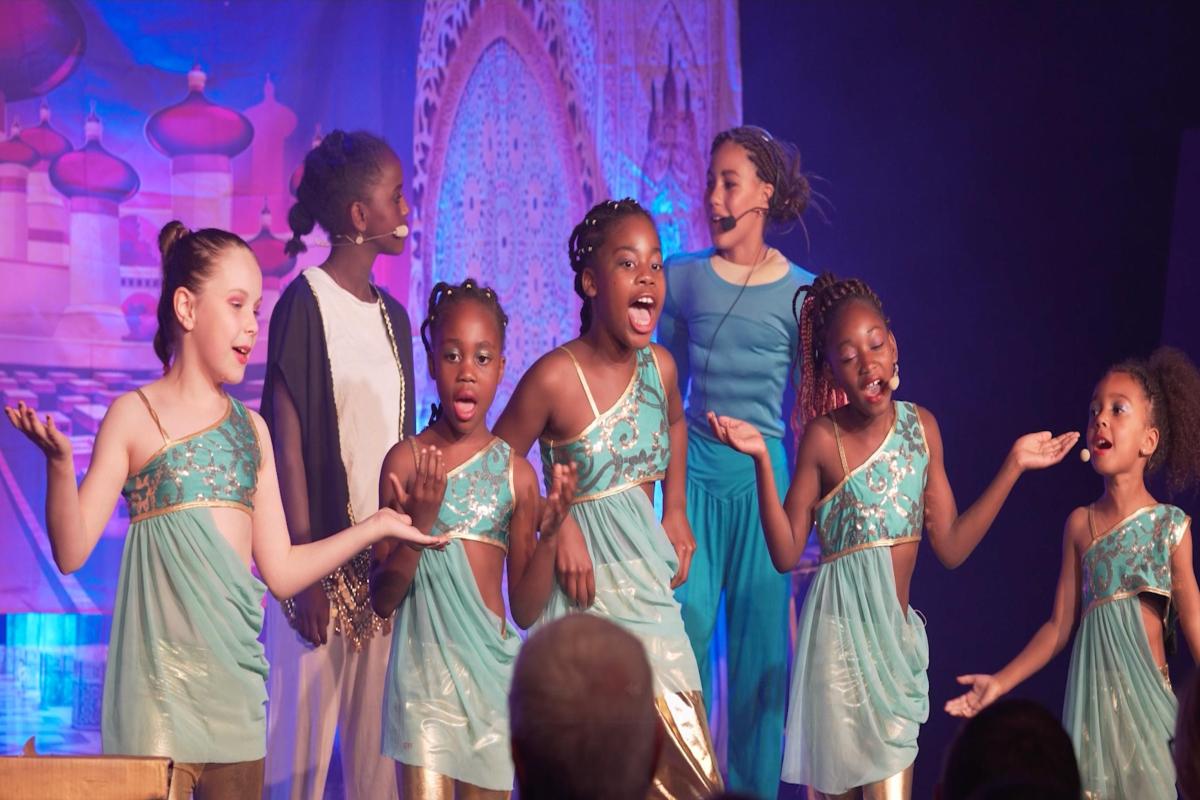
Since the start of 2026, the craze for musical theatre has never been stronger among the youngest. Driven by recent cinematic successes like Wicked, many children and young people dream of shining under the spotlights. They already imagine themselves on a big stage, performing number after number with a dazzling smile. That is the magic of the show. But behind the glitter lies a demanding discipline known as the "Triple Threat": the ability to excel simultaneously in acting, singing, and dancing.
For a parent, seeing their child blossom in this complete art form is a huge source of pride. However, a major difficulty often arises after a few weeks of classes: breathlessness. How do you sing a powerful, held note while performing a cat leap or a pirouette? This is the heart of learning musical theatre. It is not just a question of talent; it is a question of physiological energy management.
In our pedagogical approach, we often explain to students that their body is their main instrument. Unlike professional adults who have years of training, a child must build their "cardio-vocal" endurance step by step. Without this foundation, the pleasure of performing can quickly give way to the frustration of being "out of breath". Fortunately, with good training and targeted exercises, this endurance is acquired and transforms the stage experience.
Physiology Explained to Children: The Inner Conflict
To fully understand why singing and dancing at the same time is so difficult, one must visualize what is happening inside the body. This is a lesson we address right at the beginning of the year in every serious school.
On one hand, singing requires relaxation. For the voice to resonate freely, the diaphragm must be able to descend, and the belly must remain flexible to manage air. It is a sensation of openness.
On the other hand, dance – whether jazz, contemporary, or tap dance – often demands intense abdominal core engagement. To maintain balance and protect the back, the dancer contracts their deep muscles.
Do you see the paradox? We ask the body to be "soft" for singing and "hard" for dancing, at exactly the same moment. This is the muscular conflict that the student must learn to manage during their weekly workshop. It is a fine dissociation work that requires patience. Even adults, when they start, find this coordination baffling. For children, it is a true balancing act which, once mastered, gives them incredible confidence in their physical capabilities.
5 Breath Exercises for Young Artists (8-14 years old)
To help your budding artists progress, here are five pedagogical exercises that we regularly practice in class. They are designed to be fun while strengthening the breathing technique necessary for musical theatre.
1. The Walking Serpent "S"
This exercise is the foundation of respiratory autonomy. It teaches the student to manage their airflow independently of their leg movement.
The instruction: Ask your child to inhale deeply through the nose, then exhale on a continuous and powerful "Ssssss" sound.
The movement: While making this sound, they must walk energetically around the room. The goal is for the sound to remain perfectly stable, without wavering with each step.
The progression: Over the minutes, invite them to speed up the walk, or even jog.
This is an excellent way to check if the abdominal support is active. In an art school, this is often the standard warm-up before any scenic work session.
2. The Vocal "Jumping Jacks"
Here is a challenge that greatly amuses young people and takes them out of their static comfort zone. It combines cardio and vocalizes.
The action: The student performs "Jumping Jacks" at a steady rhythm.
The voice: Simultaneously, they must sing a simple scale or part of a song they like.
The pedagogical goal: The objective is not perfect pitch at first, but airflow stability. The student must feel that they need to "anchor" their voice more to compensate for the impact of the jumps.
This is a very effective coaching technique for preparing energetic numbers. If your child can do this for two minutes, they will be much more comfortable on stage.
3. The Tap Dance Simulation (Rhythm and Recovery)
Tap dance is fascinating for children, but it is also exhausting. This exercise simulates that intensity to work on rapid recovery.
The exercise: Run in place lifting the knees very high, like a sprint, for 30 seconds.
The transition: Stop abruptly and immediately sing a long and soft melodic phrase.
The stakes: The heart beats fast, but the voice must appear calm. This teaches the body to calm the breath in a split second, a vital skill for any musical theatre show.
4. The Emotional "Stop & Go"
In a musical, one often goes from laughter to tears, from dance to monologue. This workshop works on this switch.
Setup: Put on dynamic music and let the child dance freely.
The signal: Cut the music. The student must freeze like a "statue" and recite a theatre line or sing a chorus with strong emotional intention (joy, anger, sadness).
The learning: This helps channel energy. The student learns that they can be physically activated but mentally focused on their performance. This is the very essence of acting in this musical style.
5. The Moving Canon (Group Spirit)
Musical theatre is above all a collective adventure. This exercise strengthens group cohesion and listening.
The setting: Ideal if you have several children or during an afternoon with friends.
The action: Form a circle and walk in a round.
The singing: Sing a simple canon (like "Row, Row, Row Your Boat" or an extract from The Lion King).
The difficulty: Everyone must hold their vocal part while remaining synchronized in the walk with the others.
This prepares for the big ensemble numbers found in end-of-year shows. It teaches listening to other voices while managing one's own breath, a skill that even adult choristers must work on regularly.
Why Professional Supervision is Essential
While these exercises can be discovered at home, musical theatre remains a complex discipline that requires a benevolent and expert outside eye. Registration in a dedicated structure helps avoid bad habits. For example, a child who strains their throat too much to compensate for a lack of breath risks vocal fatigue.
Qualified teachers, found in a recognized school in Lausanne, Yverdon, or elsewhere, know how to adjust the effort according to age and body type. They ensure that the learning remains healthy. Furthermore, being part of a group allows one to overcome shyness. The collective energy carries the individual, and the experience of mounting a common project creates unforgettable memories.
Serious training is not limited to learning dance steps; it teaches posture, stress management, and respect for one's body. It is a secure environment where error is part of the progression process. For young adolescents, it is also a wonderful place for socialization, away from screens, where they share a common passion for live art.
Practical Guide 2026: Where and How to Train in Switzerland?
Are you convinced of the benefits of this discipline for your child? Here is what you need to know about the landscape of courses and internships in French-speaking Switzerland for this year 2026.
Weekly Classes vs. Intensive Camps
There are two main formats for registration:
1. The Annual Course: This is the royal road for deep progression. Every week, the student reunites with classmates and teachers. It is ideal for installing lasting techniques in singing, dancing, and acting. These courses often take place in major cultural centers like Lausanne or Etoy.
2. Holiday Camps: Perfect for discovery or total immersion. During school holidays, over a week, students live at the rhythm of a professional troupe. It is an intense experience where a mini-show is often staged. These camps are very popular and available in many cities, including Geneva, Neuchâtel, and Fribourg.
Investment and Rates (Prices in CHF)
Access to quality training represents a budget, but it is an investment in the child's personal development.
For weekly classes, market rates generally start around 79 CHF per month for a 60-minute session. For more advanced levels or longer sessions (90 minutes), which allow for deeper work on the three disciplines, the price often hovers around 99 CHF per month.
For one-week camps (Monday to Friday), the starting rate is often 290 CHF. This amount includes numerous hours of practice and continuous professional supervision.
Choosing the Right Level
It is not necessary to have already done music or dance to start. Most schools offer "beginner" levels where everything is learned on the spot. The important thing is the desire. Whether for the Broadway style, French comedies, or pop repertoire, there is a place for every sensibility. The ideal age to start is often around 8 years old, when motor coordination is sufficient to combine tasks, but early learning classes exist from age 6.
Registrations are often done before the start of the school year, but many structures accept students during the year or for January sessions. Do not hesitate to ask for a trial class; it is the best way for your child to feel if the atmosphere and pedagogy suit them.
Conclusion: Let the Magic Happen
Musical theatre is much more than an extracurricular activity. It is a school of life that teaches rigor, listening, and the courage to express oneself in front of others. By mastering their breath and their body, children discover that they are capable of great things.
So, if your child sings in the shower and dances in the living room, why not offer them the framework to develop this talent? The world of the show is vast and welcoming. With a little work and a lot of passion, every sung note and every dance step becomes a victory.
Apolline Ecole d'Arts accompanies your children in this adventure with classes in Lausanne, Yverdon, and Etoy, as well as holiday camps throughout French-speaking Switzerland. It is time to raise the curtain and let the pleasure of the stage invade your daily life.